
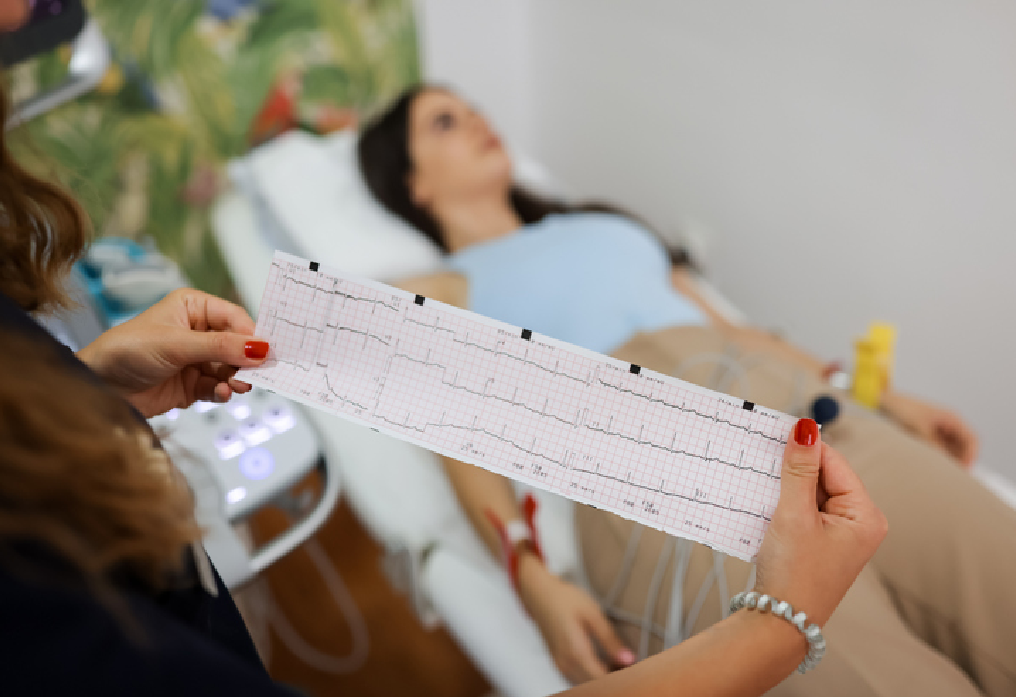
EU Heart Screening Initiative
The European Commission is set to launch its first EU Screening Week on 28 September, focusing on three key cardiovascular risk checks: blood pressure, cholesterol and blood sugar.
These tests form the basis of the proposed Safe Hearts Plan, which calls for adults to receive regular assessments of their cardiovascular risk.
GPs Could Lead the Checks
Belgium could integrate these checks directly into its existing general practitioner system rather than creating a separate screening programme.
More than 80% of Belgian patients already have a global medical record, meaning much of the required information, including blood pressure and laboratory results, is already available.
However, Belgium still needs to decide which cardiovascular risk assessment score should be adopted and integrated into electronic health records.
Calls for Better Coordination
Prof. Rik Willems, president of the Belgian Society of Cardiology and a cardiologist at UZ Leuven, said an interministerial working group has already begun discussions on a national cardiovascular plan.
He expects the government to establish a clear agenda in autumn 2026, with the plan potentially being rolled out by summer 2027.
A major challenge is Belgium's complex healthcare structure, where prevention is largely organised at the regional level while healthcare delivery is handled federally.
Making Risk Assessment Routine
The Belgian Society of Cardiology and the Belgian Heart League are advocating for two key improvements.
First, doctors should have access to an individualised cardiovascular risk score within a patient's medical record. This would show the patient's risk category, identify missing information and suggest appropriate preventive action.
Second, healthcare providers should be able to measure how effectively these risk profiles are being used, helping practices and regions monitor the quality of cardiovascular prevention.
Data Remains a Challenge
Belgium has strong data on medication use, medical procedures and healthcare reimbursements, but information on cardiovascular disease itself and patients' quality of life remains limited.
This makes it difficult to measure whether national targets are being achieved. Safe Hearts targets include 90% of people receiving blood-pressure checks and 80% receiving cholesterol and glucose checks.
Better health-data registration could help Belgium track progress and improve the quality of care.
Changing Attitudes Toward Heart Disease
Willems also highlighted the need to change perceptions around cardiovascular disease. Heart problems should not be viewed solely as a condition affecting older people or as something caused entirely by individual choices.
Genetic factors and social circumstances can also influence cardiovascular risk, making prevention a shared responsibility involving GPs, pharmacists, cardiologists, specialists, dietitians, movement professionals and patients.
Plan Expected by 2027
The Belgian Society of Cardiology hopes for a clear government roadmap later this year, followed by implementation of the country's cardiovascular strategy by summer 2027.
The ultimate goal is stronger prevention, better coordination between healthcare systems and a reduction in premature cardiovascular deaths.