
Senate Backs Trade Deal
The Swiss Senate approved the trade agreement with Mercosur by 35 votes to seven on Monday. Alongside the agreement, lawmakers approved CHF517 million ($630 million) in support for Swiss agriculture.
The treaty will now return to the House of Representatives, which narrowly rejected the agreement in June following strong opposition from farmers.
Compromise on Agricultural Funding
The agricultural support package, worth CHF517 million, will be distributed between 2028 and 2033 as a compromise between political demands and concerns from the farming sector.
Farmers had initially called for CHF880 million between 2028 and 2035, but the proposal was rejected. The disagreement contributed to the House of Representatives' narrow rejection of the trade deal.
Political Opposition
The political left also opposed the agreement after its proposals addressing deforestation and forced labour were rejected. The Senate again voted down those measures on Monday.
Opponents remain concerned that increased imports from South America could put additional pressure on Swiss farmers and raise environmental concerns.
Expected Economic Benefits
The agreement between EFTA and Mercosur, concluded last year, is expected to generate around CHF150 million in annual customs-duty savings.
Swiss exporters are set to benefit from more favourable tariffs, potentially improving access to markets across the South American bloc.
Concerns Over Imports
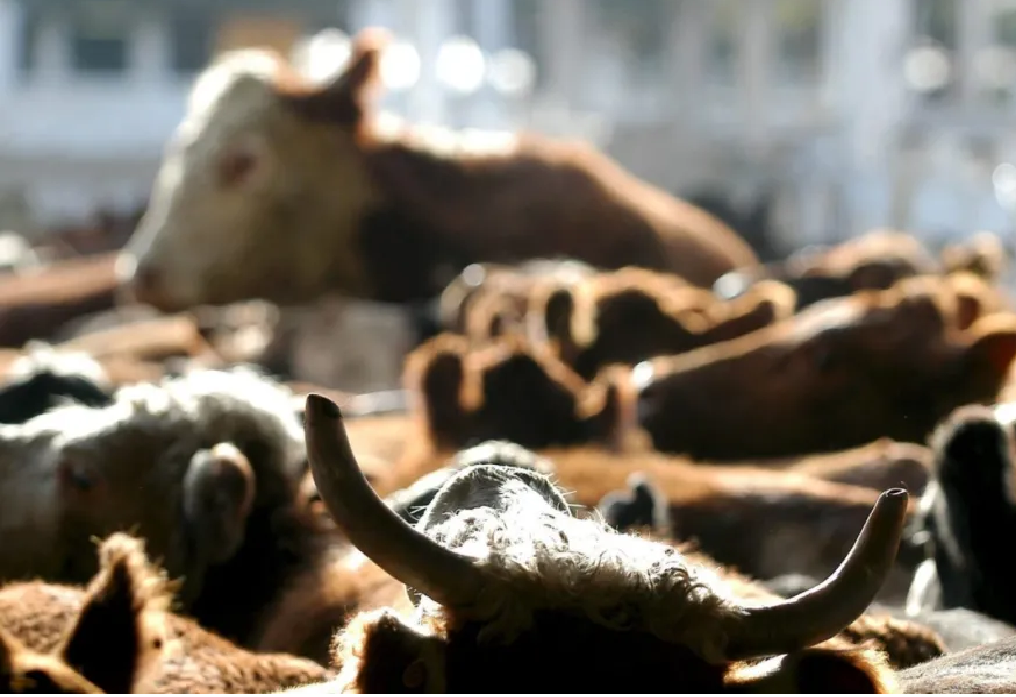
In exchange, Switzerland will allow specific South American import quotas. This could increase the availability of meat and wine from Argentina, Brazil, Uruguay and Paraguay in the Swiss market.
Farmers fear that greater competition could threaten their livelihoods, while environmental groups have raised concerns about the potential impact on deforestation and climate change.
Government Defends Agreement
Swiss Economics Minister Guy Parmelin has argued that the agricultural sector’s current difficulties are not directly connected to the Mercosur agreement.
He maintains that the deal can also benefit Swiss agricultural exports and has rejected concerns that it would encourage additional trade linked to deforestation.