
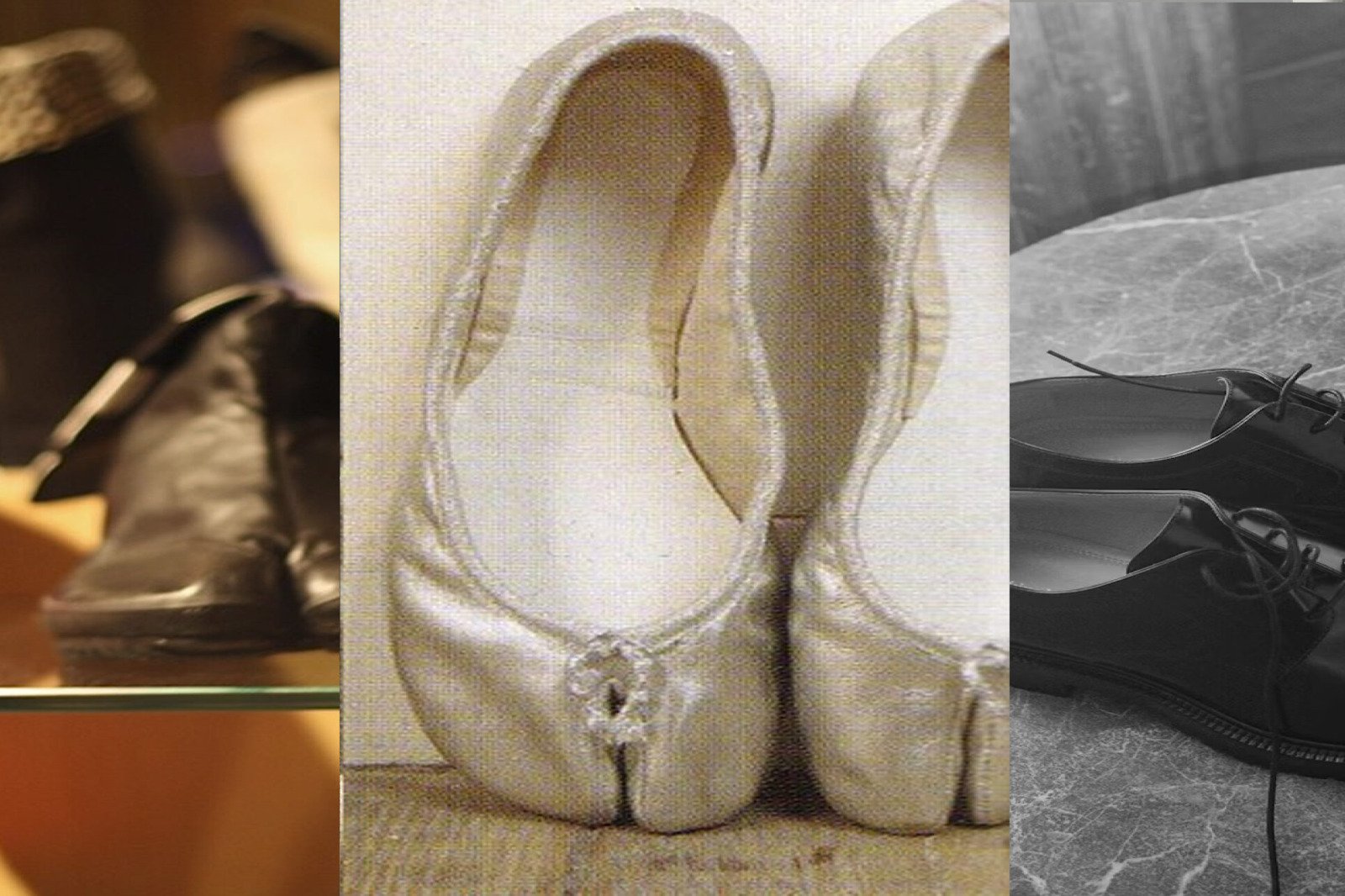
Tabi shoes, commonly known as split-toe, ninja or hoof shoes, have become one of the most recognisable and divisive footwear trends in contemporary fashion.
Although the distinctive design dates back centuries in Japan, tabi shoes gained renewed international attention in recent years. In 2023, their popularity received a major boost after a TikTok user from New York shared a story about a date allegedly stealing her prized $900 tabi shoes from her apartment. The viral story introduced the unusual footwear to a much wider online audience.
Since then, tabi shoes have moved from being a niche fashion item admired by industry insiders to becoming a sought-after statement piece among fashion enthusiasts. Today, they can frequently be spotted in fashionable neighbourhoods across major European cities.
Despite becoming more familiar to the public, the split-toe design continues to divide opinion. Some fashion lovers consider it innovative and distinctive, while critics question its unusual appearance.
However, the story behind tabi shoes shows that their popularity is more than simply a passing internet trend. Much of their modern success can be attributed to Belgian designer Martin Margiela, one of the most influential and enigmatic figures in contemporary fashion.
Martin Margiela: The Belgian Designer Behind the Tabi
Born in Genk, in Belgium's Limburg province, in 1957, Margiela studied at the Antwerp Academy of Fine Arts. His work became closely associated with Antwerp's influential avant-garde fashion scene.
Throughout his career, Margiela challenged conventional ideas about fashion. His designs often featured deliberately unfinished details, unconventional materials and provocative anti-fashion concepts.
His debut collection in 1989 caused a sensation. The show was held at a neglected children's playground on the outskirts of Paris, where models appeared in garments featuring ripped sleeves, frayed hems and experimental silhouettes.
The tabi shoes made an especially memorable impression. Their soles left red, blood-like marks across the runway, adding another layer of theatricality to the presentation.
The controversial show helped establish Margiela as an important force in a new era of fashion. Yet, despite his growing influence, he deliberately avoided the spotlight. He famously kept away from traditional celebrity culture, refusing face-to-face interviews and press photographs.
As a result, relatively little is publicly known about his personal life, and photographs of the designer remain rare.
The Japanese Origins of Tabi
Although Margiela transformed tabi shoes into a high-fashion icon, their origins can be traced much further back than Belgium.
Traditional tabi footwear originated in Japan centuries ago. Tabi were originally split-toe socks designed to be worn with sandals. The separation between the big toe and the other toes allowed the footwear to accommodate the straps of traditional Japanese sandals while also providing practical benefits.
In 1922, Japanese entrepreneurs associated with the Bridgestone tyre company developed rubber-soled footwear known as jika-tabi, or tabi boots. The practical shoes became particularly popular among Japanese workers because of their flexibility and comfort.
It is widely believed that Margiela encountered this traditional Japanese footwear during a visit to Japan in the late 1980s. He subsequently reinterpreted the distinctive split-toe structure for his own fashion collections.
At the time, however, it was difficult to imagine that such an unconventional and expensive design would eventually become a global fashion phenomenon.
From Niche Fashion to Social Media Sensation
Several developments helped propel tabi shoes into mainstream fashion.
The rise of deliberately unconventional or “ugly” footwear after 2020 created a more accepting environment for unusual shoe designs. At the same time, social media dramatically increased the speed at which fashion trends could spread.
The growth of online marketplaces also made split-toe footwear more accessible to consumers who could not afford the original designer versions.
A 2020 collaboration between Maison Margiela and Reebok further introduced the distinctive aesthetic to a broader audience. Celebrity appearances, including endorsements from stars such as Dua Lipa, also contributed to the shoes' growing visibility.
Then came the viral TikTok story in 2023, which pushed tabi shoes even further into mainstream online culture.
A Fashion Statement That Divides Opinion
Original Maison Margiela tabi shoes remain expensive, with many pairs costing well over $1,000. But the growing popularity of the design has led to a wave of more affordable alternatives.
Because the split-toe shape itself is not trademarked, similar designs have appeared across online marketplaces, independent handmade stores and mass-produced footwear platforms.
This accessibility has created a debate among fashion enthusiasts. Some see the trend as a democratisation of an influential fashion design, allowing more people to experience a style that was once limited to luxury fashion circles.
Others argue that widespread imitation has diluted the originality and exclusivity that once made tabi shoes special.
Whatever the opinion, the tabi has clearly moved far beyond its origins as an unconventional runway experiment.
Belgium’s Lasting Influence on Global Fashion
Martin Margiela's transformation of traditional Japanese footwear into a defining piece of avant-garde fashion demonstrates the power of creative reinterpretation.
What began as an unusual design on a controversial runway has evolved into a globally recognised fashion statement. Despite criticism and changing trends, tabi shoes have remained remarkably resilient.
Their journey also highlights Belgium's significant contribution to international fashion and the lasting influence of Antwerp's avant-garde design tradition.
Whether viewed as innovative, strange or simply unforgettable, the tabi shoe has earned its place in modern fashion history — largely thanks to the unconventional vision of Belgian designer Martin Margiela.