
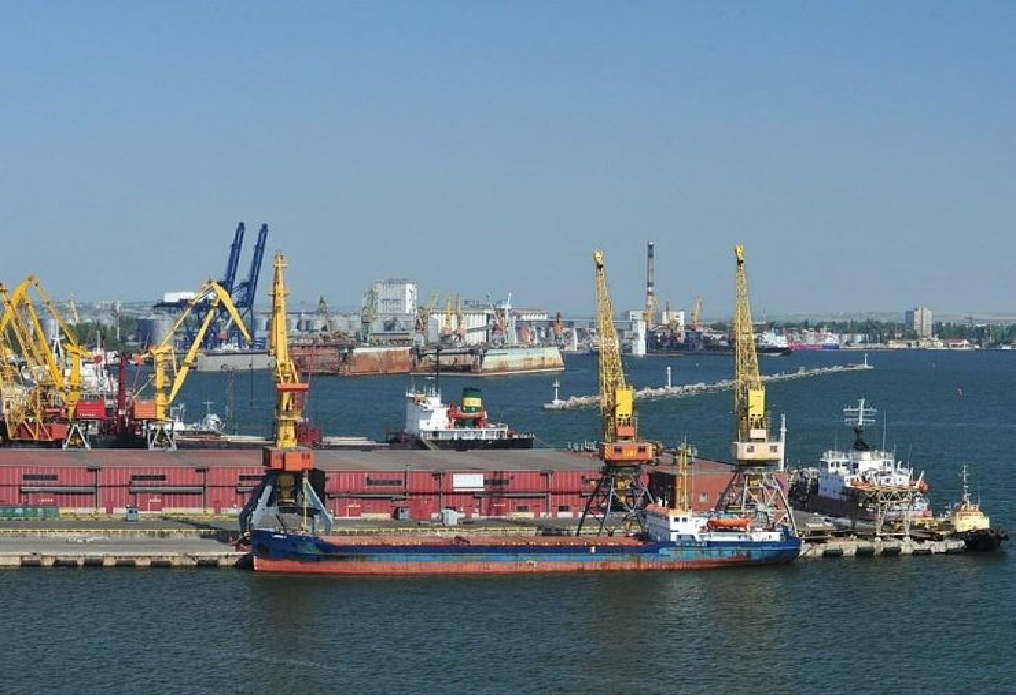
Lithuania is stepping up inspections of grain shipments arriving through the Kaliningrad region and handled at the port of Klaipeda, amid growing concerns over the declared origin of cargo.
The Agriculture Ministry has instructed the State Food and Veterinary Service to expand checks to include food-grade grain. Previously, inspections were focused mainly on grain intended for animal feed.
Authorities have already collected samples from one shipment at Klaipeda to verify its country of origin. The samples have been sent to a laboratory in France, with results expected within two to three weeks. The checks aim to determine whether the cargo's actual origin matches the information stated in the accompanying documents.
Klaipeda port authorities reported that around 47,000 tonnes of Russian-origin grain transported by rail from the Kaliningrad region were handled during the first eight months of 2026. Corn made up the majority of these shipments. Grain is not currently covered by sanctions restrictions, so such transportation remains legally permitted.
Meanwhile, Lithuania is also preparing for potentially higher grain volumes moving through Baltic ports. Agriculture Minister Kęstutis Mažeika said that around 1.5 million tonnes of grain could potentially be transported through Latvia, with some shipments possibly using Lithuanian infrastructure.
Industry representatives say disruptions affecting Black Sea shipping are encouraging exporters to redirect some cargo toward the Baltic region. They argue that cheaper grain arriving through Baltic ports is increasing competition for local suppliers, strengthening calls for stricter verification of the origin of imported grain.