
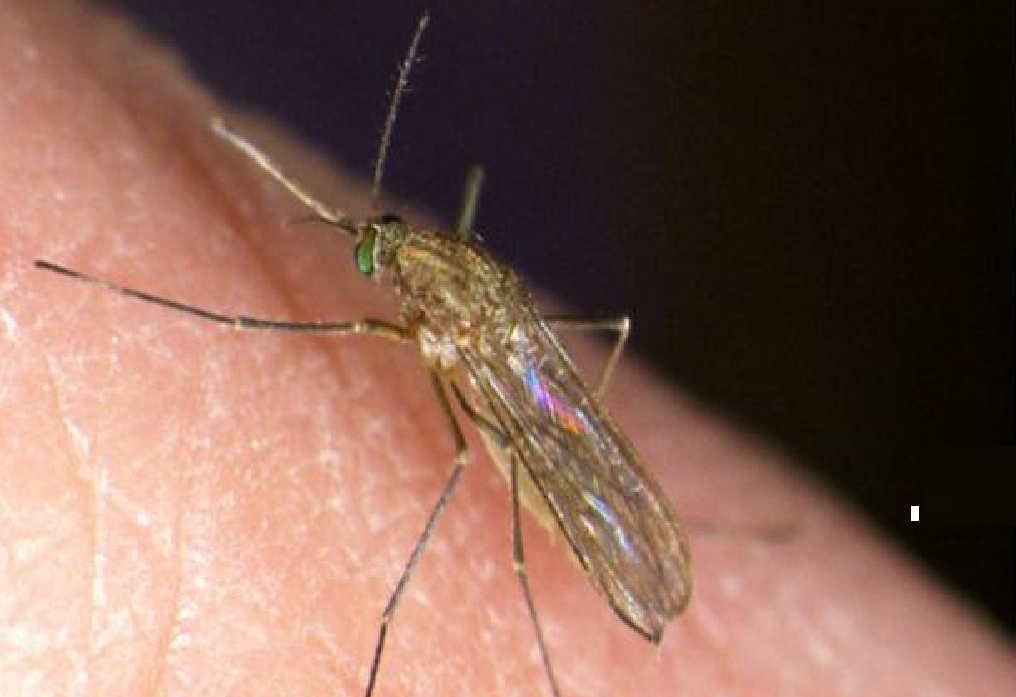
The West Nile virus has been detected in nine people in the Netherlands since the beginning of summer, according to the National Institute for Public Health and the Environment (RIVM).
Health authorities say the virus is circulating in the country, with evidence found among birds and common house mosquitoes. One person has died following a West Nile virus infection, while at least one other patient was hospitalised with symptoms in late August.
According to the RIVM, one of the nine cases was identified through a blood-donor study conducted by Sanquin Research. The remaining cases were diagnosed after patients were admitted to hospital with symptoms.
The infections were acquired after people were bitten by infected mosquitoes and have been reported in the provinces of Utrecht, Noord-Brabant, Noord-Holland and Zuid-Holland. At least one recent case has been linked to the Amsterdam region.
A woman from Drenthe also died in early August after contracting West Nile virus during a trip to southeastern Europe, where her symptoms first appeared. Regional health authorities said her death may have been linked to the infection.
The Netherlands recorded its first-ever human West Nile virus infection in October 2020. No human cases were reported in the country in 2025.
Most people infected with West Nile virus experience no symptoms or only mild illness. Around one in five infected people develop flu-like symptoms such as fever, headache, muscle aches, stomach problems and diarrhoea.
In rare cases, the infection can become severe and cause inflammation of the brain or the membranes surrounding it. Older adults, particularly those aged 70 and above, face a higher risk of serious illness and death.
The virus has also been detected in animals. Five cases involving infected horses are currently under investigation by the Netherlands Food and Consumer Product Safety Authority (NVWA), compared with three cases reported last year.
Researchers have additionally identified six infected birds in 2026. West Nile virus has also been detected in two separate groups of mosquitoes.
The RIVM said doctors, veterinarians, virologists, epidemiologists and ecologists are working together to monitor the spread of the virus and assess the situation in the Netherlands.