
Russia has rejected accusations that it is attempting to interfere in France’s upcoming presidential election, calling the allegations “anti-Russian propaganda.” The denial comes as French authorities investigate suspected disinformation campaigns targeting several prominent candidates ahead of the 2027 vote.
The French government has expressed concern that Russia could seek to influence the election in favor of a candidate considered more sympathetic to the Kremlin, particularly amid the ongoing war in Ukraine.
French prosecutors have launched an investigation into suspected Russian-linked disinformation campaigns targeting former prime ministers **Édouard Philippe and Gabriel Attal**, two leading centrist figures, as well as center-left candidate **Raphaël Glucksmann**.
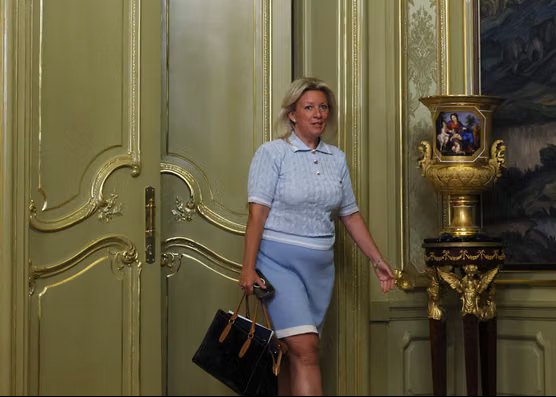
Russian Foreign Ministry spokeswoman **Maria Zakharova** dismissed the allegations on Tuesday, August 25, describing them as a “contrivance.” She argued that accusations of Russian interference had become part of the political competition in France.
Zakharova also criticized French candidates for emphasizing what she described as the “Russian threat” and their support for Ukraine, suggesting that such statements were being used to strengthen their presidential campaigns.
France is preparing for its first presidential election since **Emmanuel Macron** came to power in 2017. Macron, a strong supporter of Ukraine, cannot seek a third consecutive term because of France’s constitutional term limits.
The first round of the presidential election is scheduled for **April 2027**. Current polling indicates that far-right leader **Marine Le Pen** is among the strongest contenders for the second round, while several other candidates, including radical-left leader **Jean-Luc Mélenchon**, are competing for a place in the runoff.
With the election approaching, concerns over foreign interference, disinformation and the role of Russia are expected to remain significant issues in France’s political debate.